Cart
0
You may also like
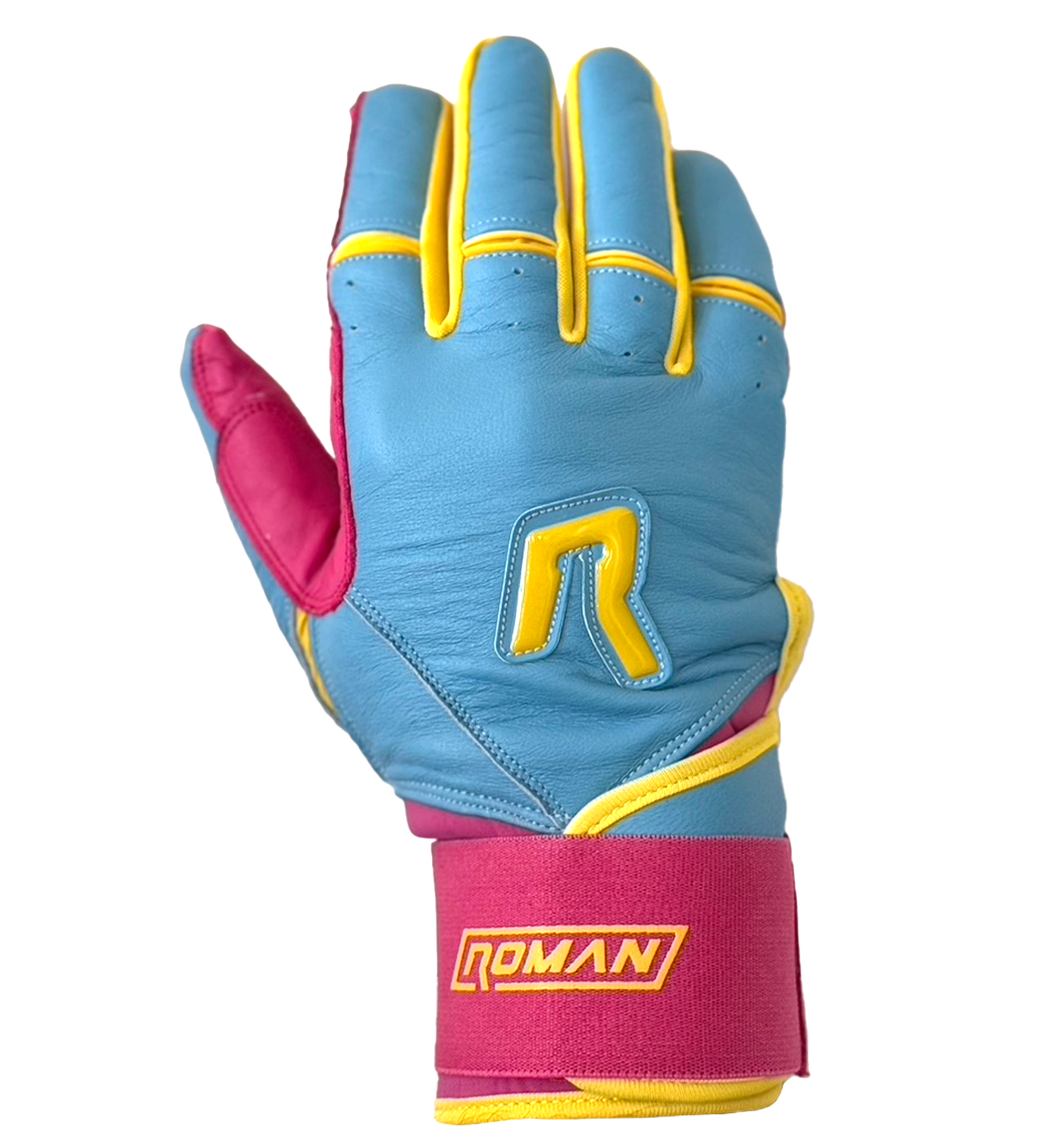


Batting gloves are one of the most important pieces of equipment in baseball and softball. A quality pair of batting gloves helps improve grip, reduce vibration, prevent blisters, and increase confidence at the plate. However, even the best batting gloves eventually wear out.
One of the most common questions players ask is, "When should I replace my batting gloves?" The answer depends on how often you play, the quality of the gloves, and how well they are maintained. Understanding the signs of wear can help you maximize performance and avoid developing bad habits caused by worn-out equipment.
In this guide, we'll cover how long batting gloves typically last, the warning signs that indicate it's time for a replacement, and how to get the most life out of your gloves.
Before discussing replacement timelines, it's important to understand why batting gloves are so valuable.
Quality batting gloves provide:
As batting gloves wear down, these benefits gradually diminish. Many players don't realize how much performance they've lost until they put on a new pair.
The lifespan of batting gloves varies significantly based on usage.
Players who participate in recreational leagues and practice once or twice per week can often expect a pair of quality batting gloves to last:
Players participating in travel baseball, tournament teams, or high school baseball typically use their gloves more frequently.
Expected lifespan:
Players taking hundreds of swings each week often replace batting gloves multiple times throughout a season.
Expected lifespan:
Many professional players use multiple pairs throughout a season and may rotate gloves frequently for optimal performance.
Expected lifespan:
One of the first indicators that batting gloves need replacement is a noticeable decrease in grip.
As leather begins to wear:
If you're finding yourself squeezing the bat harder than usual, your gloves may no longer be providing the grip they once did.
A secure grip allows players to maintain a relaxed swing while generating maximum bat speed.
The palm area experiences the most friction during batting practice and games.
Watch for:
Even small holes can quickly expand and compromise the glove's performance.
Once the leather begins breaking down, replacement is usually the best option.
Premium batting gloves often use Cabretta leather because it offers exceptional softness and feel.
However, leather naturally wears over time.
Warning signs include:
If your gloves no longer feel soft and responsive, they may be approaching the end of their usable life.
A proper fit is critical for batting glove performance.
Over time, materials stretch from:
If your gloves begin shifting during swings or bunching in the palm, they can negatively impact bat control.
A glove that once fit perfectly but now feels loose often indicates it's time for a replacement.
The wrist closure is frequently overlooked but plays a major role in keeping batting gloves secure.
When the Velcro begins wearing out:
This is especially important for players using long cuff batting gloves that provide additional wrist stabilization.
If you're constantly readjusting the strap, replacement may be necessary.
All batting gloves absorb moisture.
Over time:
While cleaning can help, excessively saturated gloves often lose their structural integrity.
If your gloves remain damp, stiff, or uncomfortable after cleaning, they're likely nearing retirement.
Batting gloves are designed to reduce friction between your hands and the bat.
If you begin noticing:
It may indicate that the glove's protective qualities have worn away.
New batting gloves often immediately solve these issues.
Players who use long cuff batting gloves often choose them because of the built-in wrist support they provide.
As gloves age:
If you originally purchased long cuff gloves to avoid taping your wrists, diminished support is a strong indicator that replacement is needed.
Not all batting gloves wear out at the same rate.
Lower-priced batting gloves often use:
Many entry-level gloves in the $20-$30 range may show signs of wear after only a few weeks of heavy use.
Premium batting gloves generally feature:
These features help maintain performance for a longer period of time.
While replacement is inevitable, proper care can significantly extend glove life.
Never leave gloves in a hot equipment bag.
Allow them to air dry after games and practices.
Players who practice frequently can extend glove lifespan by alternating between two pairs.
Wet gloves break down faster.
If your gloves become soaked, allow them to dry naturally.
Keep gloves in a cool, dry location.
Avoid leaving them in vehicles during extreme temperatures.
Use a damp cloth to remove dirt and sweat buildup.
Following manufacturer recommendations can help preserve leather quality.
Many players face this decision.
While cheaper batting gloves may seem economical initially, frequent replacement can make them more expensive over time.
Higher-quality gloves often provide:
For serious players who spend significant time in the batting cage or on the field, investing in quality often provides better overall value.
Long cuff batting gloves have become increasingly popular among competitive players.
Benefits include:
When replacing batting gloves, many players take the opportunity to upgrade from a traditional short cuff design to a long cuff model.
Batting gloves are a performance tool, not just an accessory.
When grip begins to decline, leather starts wearing through, or wrist support diminishes, your gloves may be limiting your performance rather than helping it.
Most players should inspect their batting gloves regularly and look for signs such as:
Replacing batting gloves at the right time helps maintain confidence, comfort, and consistency at the plate.
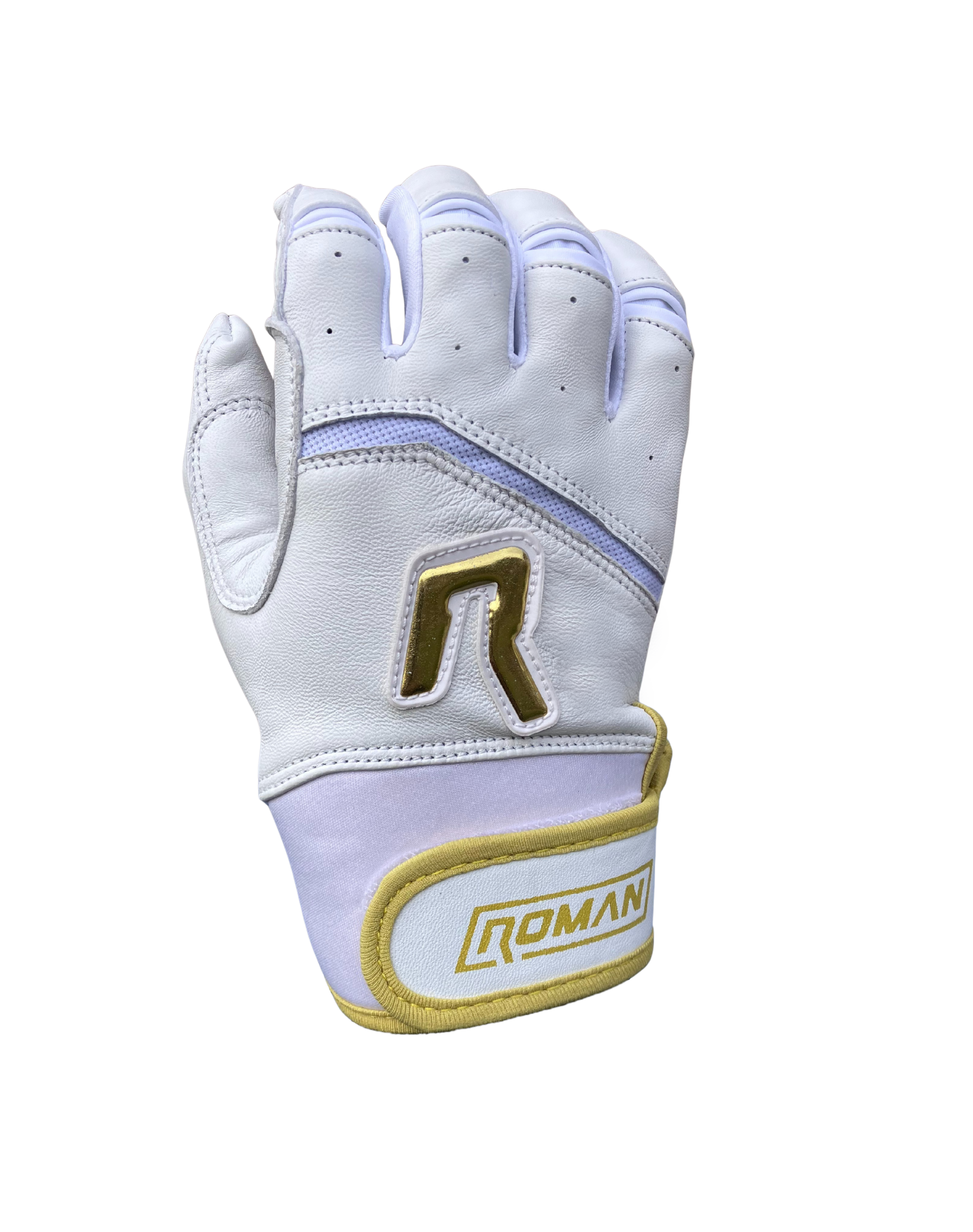
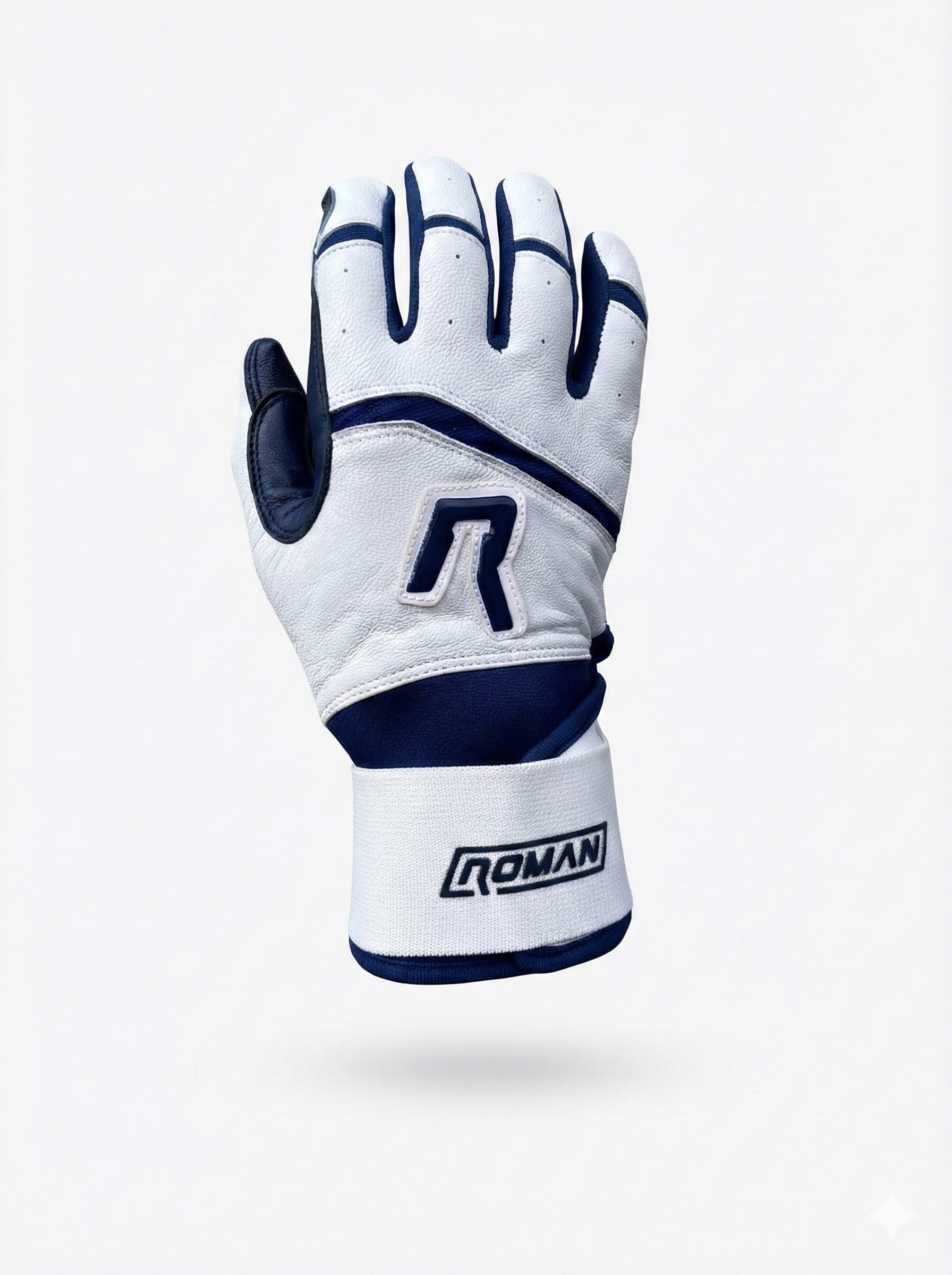
For players looking for premium-quality batting gloves with Cabretta leather, exceptional durability, and long cuff wrist support, Roman Gloves offers many of the same premium features found in gloves costing over $100 while remaining accessible at a more affordable price point.
The best batting gloves are the ones that help you perform your best—and knowing when to replace them ensures they continue doing exactly that.