Cart
0
You may also like




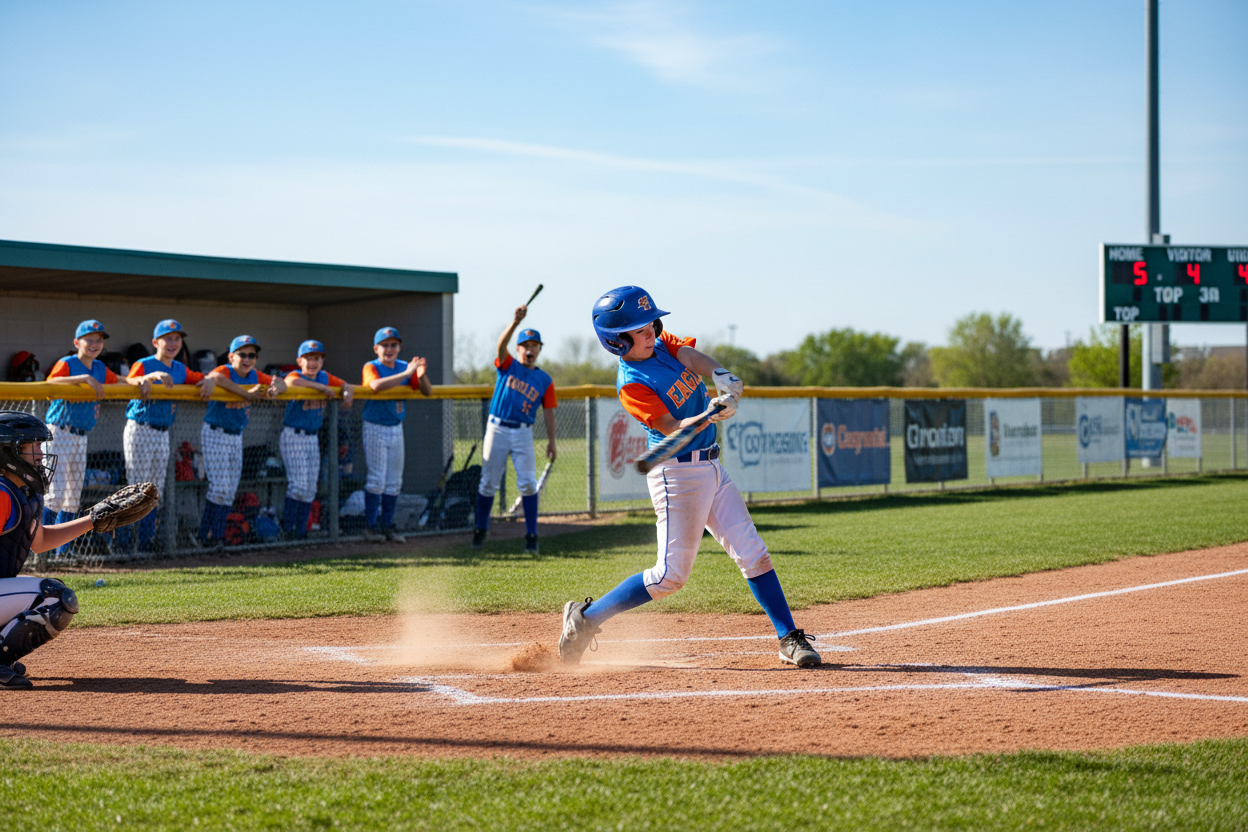
If your child loves baseball, you have probably started hearing about travel baseball. Maybe another parent has mentioned their team, your child has been invited to a tryout, or you're wondering whether it's time to move beyond recreational baseball.
That leads many parents to ask:
When should my kid play travel baseball?
There is no single travel baseball age that is right for every child. Some young players are ready for youth travel baseball early, while others benefit from spending more time developing their fundamentals before making the jump.
The right decision depends on your child's interest in baseball, skill development, maturity, family schedule, and willingness to commit.
Travel baseball is a more competitive form of youth baseball in which teams typically compete against organizations from different cities, regions, or states.
Compared with recreational baseball, travel teams generally involve more practices, tournaments, competition, and commitment.
Depending on the organization and age group, travel baseball may include:
For some families, youth travel baseball becomes an important part of their child's baseball development. For others, recreational baseball combined with practices, camps, lessons, and local competition may be a better fit.
The answer isn't necessarily based on age.
Instead of asking only, “What is the right travel baseball age?”, consider whether your child is ready for the demands of competitive baseball.
A child may be ready for travel baseball when they:
If those characteristics describe your child, it may be worth attending a travel baseball tryout and learning more about the available teams.
Parents often search for the best travel baseball age, but there isn't a universal answer.
Youth travel baseball teams can exist across many age groups, including younger developmental teams and older teams preparing players for more advanced competition.
For younger players, development should remain the priority.
Learning how to throw, catch, field ground balls, hit, run the bases, and understand the game provides a foundation that will benefit a player regardless of what level they eventually reach.
Starting travel baseball earlier doesn't automatically guarantee better development.
A young player who enjoys baseball and receives quality instruction can continue developing whether they play recreational baseball, travel baseball, or a combination of different training environments.
Is travel baseball worth it? That's one of the biggest questions parents should ask before making the commitment.
Travel baseball can provide valuable opportunities, including exposure to stronger competition, additional coaching, more games, and the experience of playing against unfamiliar teams.
However, those benefits come with costs.
Parents should consider:
The financial cost isn't the only consideration. Travel baseball can also require a significant amount of family time.
Before joining a team, ask exactly how many tournaments the team plays, how far the team travels, how often practices occur, and what additional expenses families should expect.
No.
One common misconception about travel baseball is that a child needs to be one of the best players in their recreational league before trying out.
Baseball development isn't always that simple.
A player who is coachable, athletic, works hard, and wants to improve may have significant potential even if they aren't currently the strongest hitter or fielder on their team.
Look beyond batting average and home runs.
Ask whether your child:
Those qualities can be just as important to long-term development.
One of the biggest differences between recreational baseball and travel baseball can be the level of competition.
Your child may suddenly face faster pitchers, stronger hitters, better defensive players, and teams that make fewer mistakes.
That can be difficult.
It can also be extremely valuable.
A player may strike out more often when facing better pitching. A shortstop may make errors when balls are hit harder. A pitcher may struggle against hitters who are more disciplined.
Those challenges can identify areas that need improvement.
The key is making sure your child understands that struggling doesn't mean they don't belong.
Competition should create opportunities to improve—not make a child stop enjoying baseball.
If your child is considering youth travel baseball, focus on fundamentals before worrying about advanced statistics.
Work on:
Develop a consistent swing, balance, timing, plate discipline, and the ability to recognize different types of pitches.
Practice ground balls, fly balls, throwing accuracy, footwork, glove presentation, and making routine plays consistently.
Develop proper throwing mechanics and arm strength gradually rather than simply trying to throw harder.
Teach your child how to get good jumps, run through the bag, understand outs and counts, and make smart decisions on the bases.
Baseball is a game of failure. Learning how to respond to strikeouts, errors, bad games, and losing is an important part of becoming a better player.
Having properly fitting baseball equipment can help young players feel comfortable and confident.
One piece of equipment players use frequently is a pair of batting gloves.
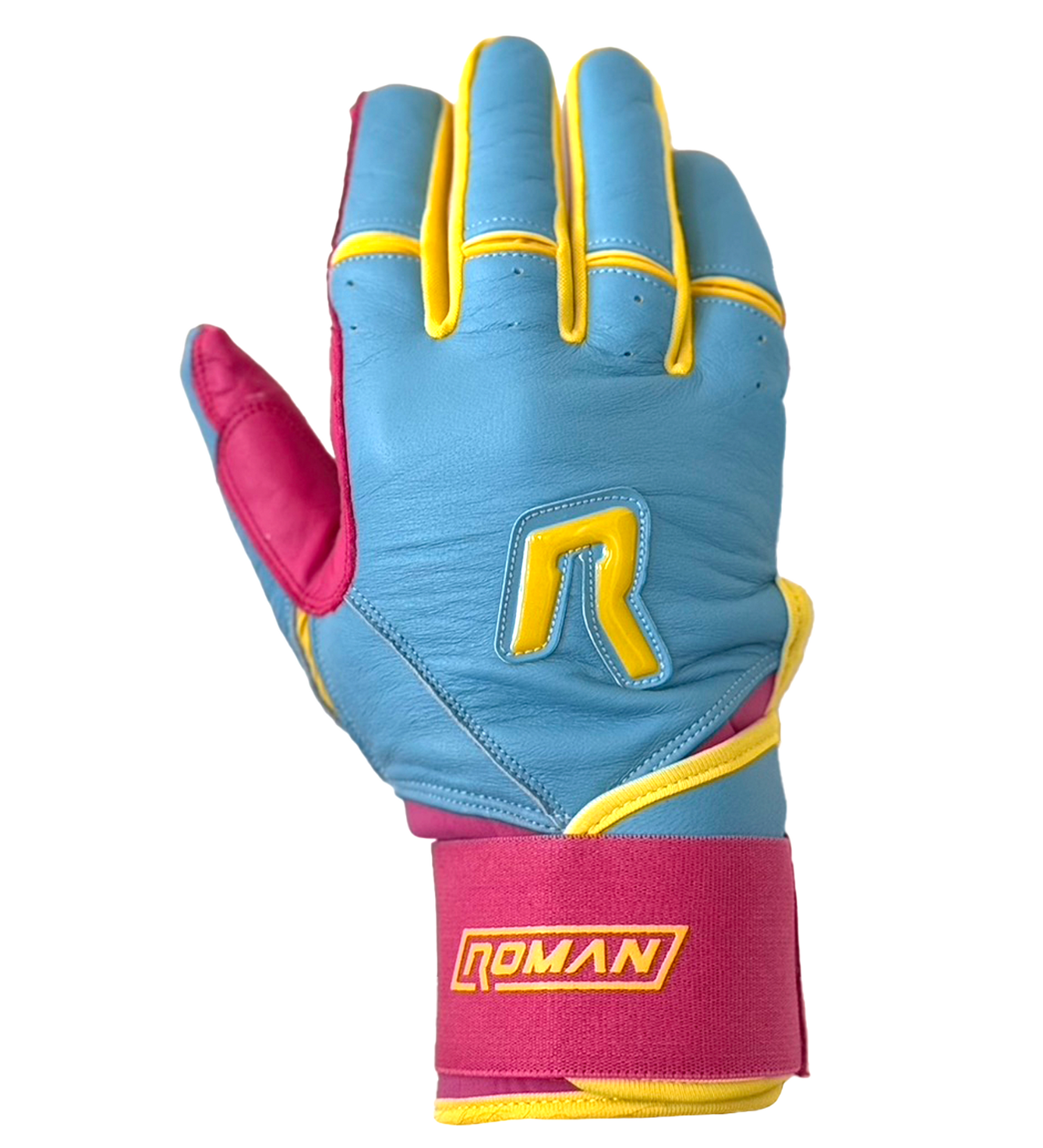
A quality batting glove can provide grip, comfort, and protection while hitting. For players participating in frequent practices and tournaments, durability and fit become particularly important.
Roman Batting Gloves are designed with players in mind, including youth batting gloves and adult batting gloves. Roman also offers long-cuff batting gloves designed to provide additional wrist coverage and support without relying solely on wrist tape.
For travel baseball players spending long hours practicing and competing, comfortable equipment can make a difference in how confident they feel at the plate.
Before committing to a youth travel baseball organization, talk to the coaches and ask questions.
Consider asking:
How many tournaments will we play?
How much travel is involved?
How often will we practice?
What is the coaching philosophy?
How is playing time determined?
What are the total expected costs?
How does the organization develop younger players?
What happens if my child plays another sport?
Getting clear answers before joining can help prevent surprises later.
Perhaps the most important consideration is whether your child still enjoys baseball.
Travel baseball can create opportunities for competition, friendships, development, and memorable experiences. But an extremely demanding schedule can also cause young athletes to become burned out.
Parents should regularly ask their child how they are feeling about baseball.
Are they excited for practice?
Do they enjoy competing?
Do they want to continue improving?
Are they having fun?
Those answers matter.
So, when should your kid play travel baseball?
Consider travel baseball when your child has a genuine interest in baseball, wants more competition, is ready to accept coaching, and is willing to commit to the additional practices and tournaments.
There is no magic travel baseball age that guarantees success.
For some players, the right time may be relatively early. For others, waiting another year to develop fundamentals may be the better choice.
And when asking “Is travel baseball worth it?”, remember that the answer depends on your family's goals, finances, schedule, and—most importantly—your child's enjoyment of the game.
Travel baseball should be about more than winning tournaments.
It should help young players become better baseball players, better teammates, and more confident competitors while continuing to develop a love for the game.
Whether your child is playing recreational baseball, youth travel baseball, high school baseball, or simply practicing in the backyard, keep the focus on development.
Play Hard. Work Hard. Love the Game.
Roman Batting Gloves is committed to helping baseball players compete with confidence through quality batting gloves designed for youth and adult players.
Shop Roman Batting Gloves and find the right fit for your next practice, game, or travel baseball tournament.